


Everything You Need to Know About Face Scrubs: How to Choose and Use Them Safely
-
admin / 2 months

- July 14, 2026
- 7 min read

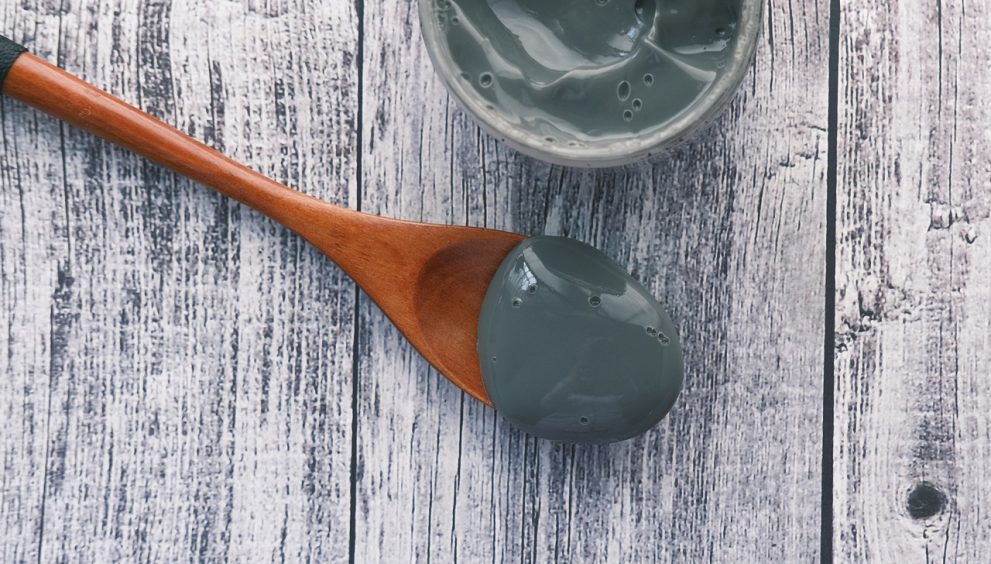
You see it every time you walk through the skincare aisle — rows on rows of face scrubs, all promising smooth, glowing skin in three minutes flat. Or maybe you’ve noticed every celebrity under the sun selling something “renewing” with a catchy ingredient list. And let’s be honest, the hype can get noisy — like, how do you actually know which face scrub to trust with your skin?
If you’ve ever felt overwhelmed by exfoliant choices (or worried you’ll pick something too harsh by accident), you’re not alone.
You deserve glowing, healthy skin — not redness, not flakes, and definitely not hidden irritation. So let’s cut through the “glam squad” noise. Here’s your real-talk guide: what makes a face scrub gentle vs. harsh, how to decode that mysterious ingredient list on skincare packaging, and how to exfoliate safely — for real-life, every-face results.
Quick take: Face scrub basics
- Choose a gentle exfoliant with smooth, round particles — stay away from anything gritty or jagged.
- Read the ingredient list: skip scrubs with walnut shells, fruit pits, or high alcohol content.
- Go slow — 1-2 times per week is enough for most skin types.
- Patch test first, especially if you’re sensitive or trying something new.
- Moisturize right after exfoliating — always.
What Makes a Face Scrub Gentle or Harsh?
A gentle face scrub uses smooth exfoliating particles and avoids harsh, scratchy ingredients. That’s the key difference between smooth skin and a red, angry face.
Here’s the thing — not all face scrubs are friendly. The word “exfoliate” gets thrown around a lot, but sometimes what you’re buying is more like sandpaper than skincare.
The big red flag? Gritty, irregular particles — think crushed walnut shells, pulverized fruit pits, or anything that feels sharp between your fingers. Those can leave micro-tears (invisible, but real) in your skin’s surface. Not the healthy glow you’re after.
What you actually want: scrubs with round, uniform beads (often labeled as “microbeads” — they should be biodegradable, not plastic). Or even better, powder-fine exfoliants — think rice powder, oat flour, or enzyme scrubs. These polish gently, not aggressively.
And skip anything heavy on alcohol or added fragrance, especially if you get dry or sensitive skin. Those just up your chance of irritation.
How to Read a Face Scrub Ingredient List (Without a Chemistry Degree)
Learning to scan the ingredient list on skincare is your power move — it’s how you dodge the rough stuff and find formulas your skin actually loves.
First, ignore the “hero” ingredient in big letters on the front. The truth is in the back label — what’s listed first is in the highest amount.
Look for these words near the top: hydrated silica, bamboo powder, rice powder, jojoba beads, or cellulose. Those usually signal a gentle exfoliant.
Skip: walnut shell, apricot seed, fruit pit, ground shell — anything that’s a hard, irregular particle. Also be wary if you see “alcohol denat” or “fragrance” high up — especially if you’re sensitive.
If you’d rather avoid physical scrubs, look for words like “enzyme” (papaya, pineapple, or pumpkin enzymes) or acid exfoliants (lactic, mandelic, or polyhydroxy acids). These give you gentle chemical exfoliation, and are often great for mature or easily irritated skin.
One quick tip: If you’re feeling iffy, patch test the scrub on your jaw or neck for a night before using on your whole face. No redness or stinging = you’re good.
How to Choose the Right Face Scrub for Your Skin Type
The best face scrub for you depends on your skin type and what you want to get out of it — not what’s trending, celebrity-endorsed, or stacked at the endcap.
Let’s keep it simple.
Oily or Congested Skin
If you’re dealing with shine, clogged pores, or blackheads, look for scrubs that offer a little bit of chemical exfoliation (like salicylic acid or lactic acid), or a very fine, non-scratchy powder.
Don’t go for the “hardest” grit — it just messes up your barrier and leads to more oil.
Dry or Sensitive Skin
You need an ultra-gentle touch. Look for enzyme scrubs (papaya/pineapple) or those with nourishing add-ins like oat, chamomile, or squalane.
Avoid any “scrubby” particles, especially if you’re prone to redness or irritation.
Normal or Combination Skin
You’ve got a bit more wiggle room, but stick to scrubs marked as “gentle” or “for sensitive skin.” You want something that rinses off clean — no tightness.
Try powder-based scrubs or low-percent enzyme/acid blends if you want to level up your skincare routine.
Honestly? Gentle is better for everyone, every age. Your future skin will thank you.
How to Exfoliate Safely At Home (Without Wrecking Your Barrier)
The secret to getting face scrubs right: less is more. Here’s what actually works — and spares you flakiness, bumps, or breakouts.
First up: once or twice a week is plenty unless your dermatologist says otherwise. Your skin is not a countertop — don’t scrub daily.
Always start with damp, not soaking wet skin. Work with fingertips, using gentle, circular motions — no need to bear down. Rinse with lukewarm water.
Follow up immediately with moisturizer. Hydration = happy skin, especially after exfoliating.
If you’re trying something new, or your skin starts stinging or burning, rinse right away. And when in doubt? Take a break and check with a skincare pro.
Sun protection is a must, too. Freshly-exfoliated skin is slightly more sensitive — so swipe on that SPF the next morning.
Your Face Scrub Checklist: Find the Right One for You
| Check | What To Look For | Why It Matters |
|---|---|---|
| ✓ | Smooth, round beads or powder-based texture | No microtears — safe even for sensitive skin |
| ✓ | No walnut, apricot pit, or ground shell in ingredient list | Avoids harsh, scratchy particles |
| ✓ | Short, simple ingredient list — easy to pronounce | Fewer irritants or potential allergens |
| ✓ | Enzyme or acid exfoliants added for mature or sensitive skin | Gentle, effective exfoliation without scrubbing |
Use this as your “shopping filter” — if a product flunks more than one box, keep looking.
Bottom line: You Don’t Need to Scrub Like a Celebrity
Skip the hype. You don’t need a $100 face scrub or a secret facialist to get smoother, healthier skin — just an affordable gentle exfoliant that feels right and fits your routine.
Trust your instincts, patch test, and listen to your own face. The right face scrub should leave you confident, not compromised.
You deserve skincare that works for your real life — and glowy skin that shows up for you, not your bathroom shelf.
FAQ: Face Scrubs and Safe Exfoliation
How often should I use a face scrub in my skincare routine?
Most people do best exfoliating one or two times per week with a gentle face scrub. Overdoing it strips your skin and leads to redness or breakouts. If your skin feels tight or tingly after, back off and let your barrier recover.
What’s the difference between a physical and a chemical exfoliant?
Physical exfoliants (face scrubs) use small particles to manually slough away dead skin, while chemical exfoliants use acids or enzymes to dissolve them. Both work — but for sensitive skin, chemical exfoliants are often gentler and less risky than gritty scrubs.
Can I use a face scrub if I have acne or sensitive skin?
You can use a face scrub if you have acne or sensitive skin, but choose one labeled “gentle” and avoid anything with harsh particles. Enzyme or acid exfoliants (like lactic acid or papaya) are usually a safer move. If in doubt, check with a dermatologist.
How do I patch-test a new face scrub?
Apply a small amount to your jawline or neck, leave it on for as long as the directions say, and rinse off. Wait at least a day — if you see no redness or burning, you’re good to try it on your face.
What’s better — face scrub or exfoliating brush/device?
A gentle face scrub is usually safer and easier than powered brushes or scrubbing devices, which can overstimulate and irritate your skin. If you want to keep it simple and avoid risk, stick to a good scrub and your fingertips.