


Azelaic Acid Explained: How to Add This Game-Changing Ingredient to Your Skincare Routine
-
admin / 2 months

- July 6, 2026
- 7 min read

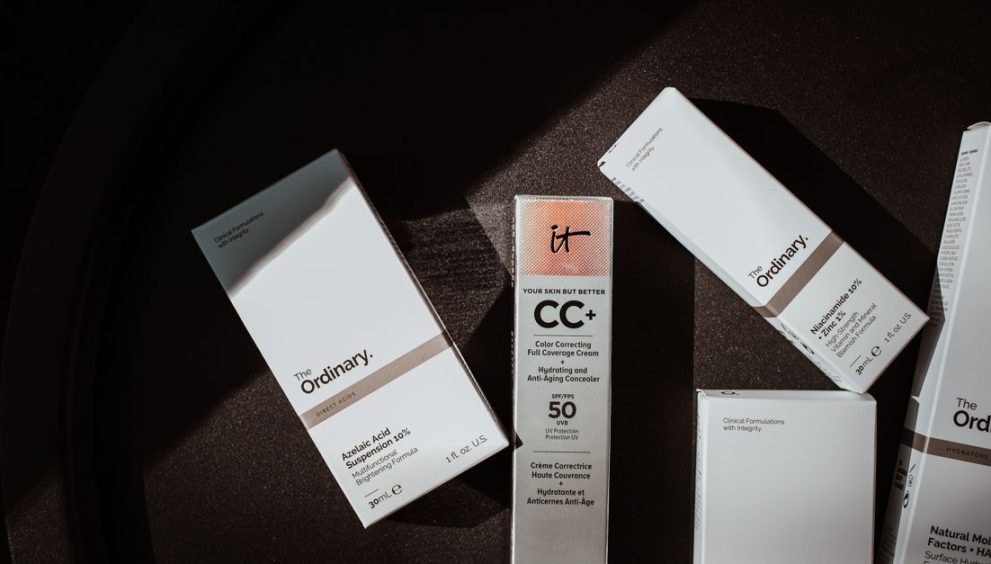
Ever look at your skin in harsh bathroom light, sigh, and think, “Where do I even start?” If you’re new to skincare or just plain tired of confusion, let’s cut through the noise. You’ve probably seen azelaic acid skincare all over TikTok, Reddit, and beauty blogs. But what actually is it, and why does everyone keep raving? Here’s the truth: azelaic acid is one of the easiest, least intimidating steps you can add to a beginner skincare routine—for real results, not empty promises. Clearer, smoother skin isn’t reserved for the skincare elite. Let’s make this make sense.
Quick take: Azelaic Acid Explained
- Multi-tasker: evens tone, smooths texture, and gently targets breakouts
- Safe for most skin types and tones—even sensitive or easily irritated skin
- Layer-friendly—plays well with other basics in your routine
- Start slow: patch test, apply after cleansing, and always use SPF
- Budget options exist—this isn’t a luxury-only ingredient
What Is Azelaic Acid (And Who Should Care)?
Azelaic acid is a gentle, multitasking acid that clears up dullness, breakouts, and uneven skin—without forcing you onto the scary stuff.
If you’ve ever felt like every “miracle” skincare routine was secretly coded for people with lots of time, money, or a PhD, skip all that. Azelaic acid is here for real life. It’s naturally found in grains but, in skincare, it’s lab-made for purity.
Here’s why it matters: this stuff is gold for women who want results but can’t (or shouldn’t) risk a full face of irritation. Rosacea? Textured spots? Stubborn marks from old breakouts? Azelaic acid skincare sinks in quietly for gradual, visible improvement—no drama.
It works by gently exfoliating, fighting surface acne bacteria, and dialing down the look of redness or dark spots. And it’s a team player—safe for most tones, skin types, and life stages (including postpartum and perimenopause, though always check with your doctor if you’re pregnant or breastfeeding).
You don’t need flawless skin to “qualify” for this. Just the desire for clarity, confidence, and actual simplicity.
Azelaic Acid Benefits—Why Bother?
Azelaic acid tackles mild acne, smooths rough texture, and fades dark spots—without the sting or flakiness harsher ingredients bring.
Let’s break it down:
- Acne-fighting, but not punishing. It slows down the growth of the bacteria that fuel breakouts and buffs away dead skin so you don’t get those clogged, angry bumps. Great if harsh acne Rx products just leave you red and dry.
- Evens out dark spots. Azelaic acid fades both post-acne marks and common hyperpigmentation, especially on medium and deeper skin tones—without the risk of light spots that hydroquinone sometimes causes.
- Soothes redness. Calms the look of irritation. For anyone frustrated by easily flushed skin or the “perpetual sunburn” vibe—yes, you.
- Gentle enough for sensitive types. Even if your skin hates most acids (think: glycolic, retinol, vitamin C), azelaic acid slides in quietly.
- Works for every age. Whether you’re tackling teenage breakouts, postpartum flare-ups, or the stubborn “adult acne” nobody warned you about, azelaic acid is in your corner.
Honestly? It’s one of the few ingredients out there that feels as accessible as it does effective. You don’t have to “earn” the right to use it.
How to Add Azelaic Acid to Your Beginner Skincare Routine
The easiest way to start with azelaic acid is after cleansing, before heavier creams—just a small amount is enough.
Here’s the move:
- Cleanse. Gentle, basic—no need for scrubs or harsh foaming cleansers.
- Patch test. Dab a small amount behind your ear or on your wrist for a few nights. If nothing weird? You’re good to go.
- Apply a pea-sized blob of azelaic acid. After cleansing, before moisturizer. Let it sink in before layering anything else.
- Moisturizer and SPF. Always follow up with something gentle and hydrating—then sunscreen, morning or cloudy day, every time.
Tip: Start with 2-3 nights per week, working up to daily if your skin gets along with it.
Go slow if you’re layering with other “actives” (like prescription retinoids or heavy-duty acid peels)—let your skin breathe. If in doubt? Stick to cleanser, azelaic acid, moisturizer, SPF. Simple always wins, especially for beginner skincare routines.
Budget note: Azelaic acid isn’t just for the high-end crowd. Look for creams, gels, or serums with 10% or less—over-the-counter versions work well for most starter routines.
How to Use Azelaic Acid Safely: Everyday Tips
To use azelaic acid safely, always patch test first, start slow, and listen to your skin—not the marketing.
- Patch first: Do it every time you introduce a new active ingredient, no matter how “gentle” it’s supposed to be.
- Avoid over-layering: Don’t put azelaic acid on top of strong acids or retinoids in the same routine if you’re new. Give your skin a chance to adjust.
- Hydrate: Use a moisturizer to prevent flaking or dryness, especially if the air’s dry or you’re prone to irritation.
- Use SPF: Always, always sunscreen—even on cloudy days. Azelaic acid makes your skin a touch more sensitive to the sun.
- See a pro: If you’ve got stubborn, recurring issues or a history of allergies, give your pharmacist, GP, or dermatologist a quick check-in.
None of this is about chasing perfection. It’s about owning your routine, your skin, your pace—without fear or FOMO.
| Beginner Azelaic Acid Routine | What to Do | Pro Tips |
|---|---|---|
| Cleanser | Gentle, fragrance-free or low-suds | Skip exfoliating cleansers to avoid doubling up |
| Azelaic Acid | Pea-sized, after cleansing | Wait 1-2 minutes before moisturizer |
| Moisturizer | Lock in hydration | Lightweight for oily, richer for dry skin |
| SPF (AM only) | Every single morning | Broad spectrum, at least SPF 30 |
If your routine feels overwhelming? Cut it back to basics, then add azelaic acid as your “upgrade.” This table makes it easy to slot in—no 10-step rituals needed.
Bottom line: You Can Do this (Azelaic Acid Skincare Is for Everyone)
Azelaic acid skincare isn’t some luxury-gate ingredient—it’s an easy, approachable step anyone can try for smoother, clearer, happier skin. Start slow, listen to your skin, and trust that you don’t need a massive budget (or Instagram-perfect routine) to see real changes. You’re in control, not the beauty industry. Own it, and give yourself credit for showing up for your skin—today.
FAQ: Azelaic Acid Skincare for Real Women
Is azelaic acid safe for sensitive skin?
Yes, azelaic acid is usually safe for sensitive skin—it’s well-tolerated compared to many other acids. That said, always patch test first and ease in slowly, especially if your skin gets cranky easily.
Can I use azelaic acid and retinol together?
You can use azelaic acid and retinol, but don’t start both at the same time—alternate days at first and watch for dryness or irritation. If you’re planning to layer, chat with a dermatologist about your exact routine.
How long does it take to see results from azelaic acid?
You might see improved texture or fading spots within 4-8 weeks of regular use, but real changes take consistency—especially for stubborn hyperpigmentation. Patience is key, and always stick with SPF.
What’s the best time to use azelaic acid in my routine?
Apply azelaic acid after cleansing, before moisturizer, once or twice daily. Most women use it in the evening, but morning use (with sunscreen after) is also fine—just do what feels best for your schedule.
Does azelaic acid work for dark spots on all skin types?
Azelaic acid helps reduce the look of dark spots and uneven tone for all skin tones and types, including deeper tones. It fades post-acne marks and pigment gently, especially with consistent sun protection.