




Shopping pre-loved clothing is one of those style choices that feels good on more than one level.
Call it secondhand, consignment, thrift, vintage, or “pre-loved” — the point is the same.
These pieces have already had a life, and now they’re ready for a new home.
And honestly, I’m very here for that.
Shopping Pre-Loved Clothing: A Sustainable and Stylish Choice
Here’s my take: secondhand shopping is about perspective.
One woman sees a unique find with a story, and another feels like she’s getting hand-me-downs.
Both reactions are real.
People have strong opinions about secondhand shopping, and that’s not surprising.
There’s the thrill-of-the-hunt crowd, who love digging through racks and finding something no one else has.
Then there are the women who feel hesitant because they’re thinking about the history of the garments.
But no matter where you land, pre-loved fashion is making a comeback.
It makes sense.
It’s sustainable, it gives clothing another life, and it opens the door to one-of-a-kind pieces that don’t feel copied and pasted from everyone else’s closet.
Why Shop Secondhand?
If you’ve never tried it, I’d start here: secondhand shopping gives you more personality for your money.
You’re not just buying clothes.
You’re finding pieces that can make your wardrobe feel more interesting, more personal, and more yours.
- Every piece is a treasure. Whether it’s a high-end designer find or a beautifully crafted vintage dress, each item has its own charm.
- The thrill of the hunt. Finding the perfect item among the racks is part of the fun.
- Eco-friendly fashion. Buying secondhand helps reduce textile waste and keeps clothes out of landfills.
- Unique style. You’re less likely to see someone else wearing the same outfit.
- High-quality at a lower price. Luxury brands and well-made items become more affordable.
- Great for wardrobe enhancement. Pre-loved pieces often work as statement items that lift your whole look.
Overcoming the Overwhelm of Secondhand Shopping
Here’s the move: don’t walk in cold and expect the racks to magically organize themselves for you.
Secondhand shopping can feel daunting, especially if browsing through racks isn’t your idea of a perfect afternoon.
But with the right approach, it becomes much easier.
And yes, it can actually be enjoyable.
1. Go in With a Plan
Before you hit the store, know what you’re looking for.
A designer handbag?
A classic blazer?
Set a goal before you start, because that one decision makes the whole store feel less overwhelming.
2. Be Open-Minded
Have the plan, but don’t get too rigid.
That’s where the good stuff happens.
Sometimes the best treasures are the ones you weren’t even actively looking for.
3. Check for Quality
This is non-negotiable: inspect the garment before you fall in love with it.
Look for stains, tears, or missing buttons.
Then check the fabric content.
Natural fibers like wool, silk, and cotton tend to last longer and maintain their quality.
4. Try Everything On
Don’t trust the tag size.
Sizing varies across brands and eras, and secondhand pieces may have been altered or stretched.
Try everything on so you know how it actually fits your body now.
5. Know Your Brands
Do a little homework before you shop.
Recognizing high-quality brands helps you know when you’re getting a good deal.
It also makes it easier to spot luxury labels or well-made garments without second-guessing yourself in the aisle.
6. Visit Frequently
The best secondhand shoppers don’t rely on one lucky trip.
Inventory changes constantly at thrift and consignment stores.
The more often you visit, the better your chances of finding incredible pieces.
7. Shop in the Right Neighborhoods
Location matters.
Consignment and thrift stores in upscale areas tend to carry higher-end brands.
Explore different locations, because different neighborhoods bring different kinds of finds.
8. Be Patient
Secondhand shopping isn’t traditional shopping, and that’s the whole point.
It takes patience.
Give yourself time to browse, slow down, and enjoy the process.
Where to Shop for the Best Secondhand Finds
My recommendation: don’t limit yourself to one type of secondhand store.
Each place has its own rhythm, its own inventory, and its own kind of payoff.
- Thrift Stores: Offer a mix of clothing, accessories, and household items at very affordable prices.
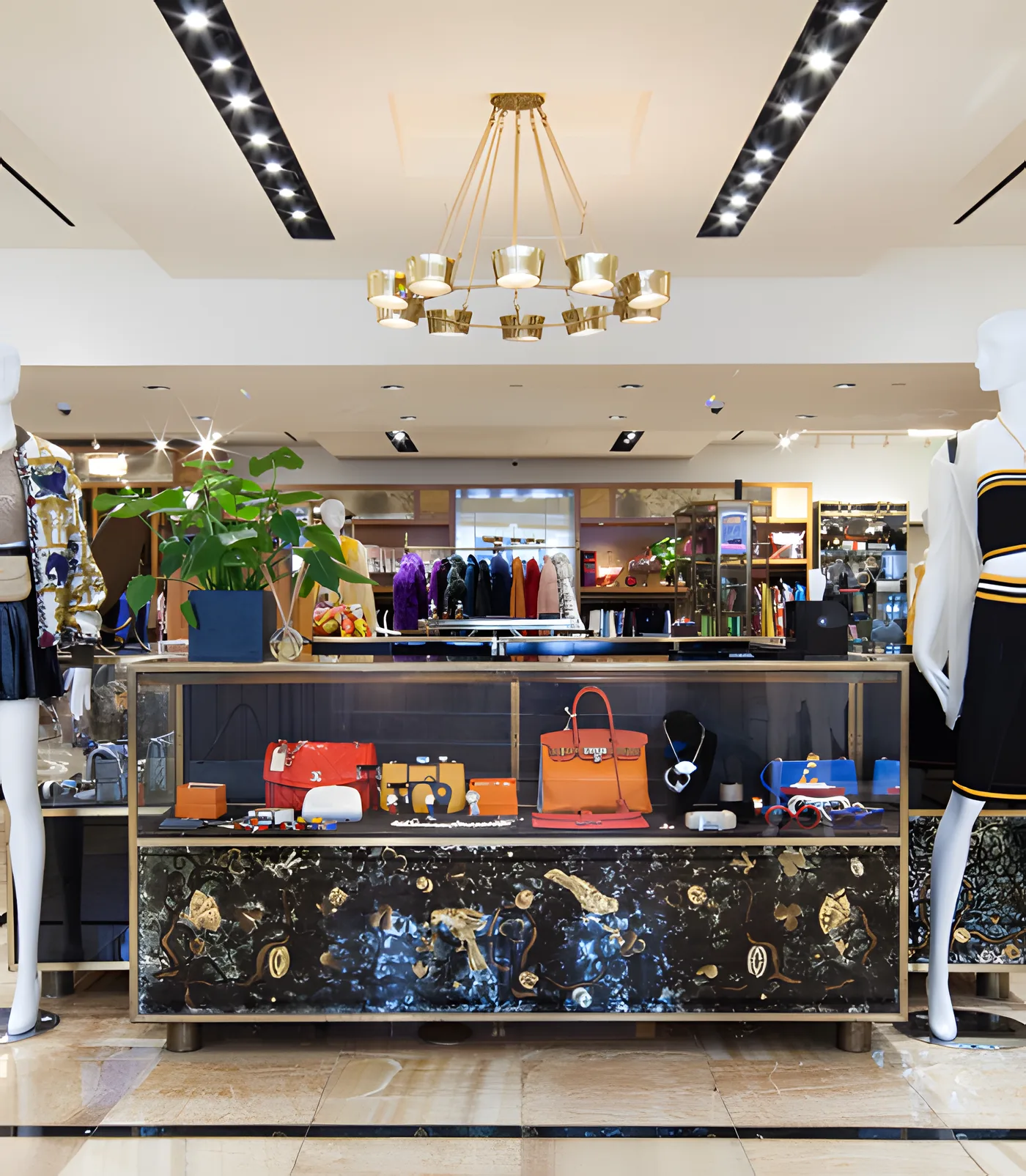
- Consignment Shops: Carry curated, often high-end pieces that are in excellent condition.
- Vintage Boutiques: Specialize in unique, often collectible clothing from past decades.
- Online Marketplaces: Websites and apps dedicated to resale, such as Poshmark, The RealReal, or Depop, make it easy to shop from home.
- Flea Markets: Great for discovering hidden gems, from clothing to accessories and beyond.
Embrace the Joy of Secondhand Shopping
If you only take one thing from this, take this: secondhand shopping is worth learning.
It’s budget-friendly, yes.
But it’s also a creative way to build a unique wardrobe while being environmentally conscious.
Whether you’re a seasoned thrifter or brand new to pre-loved fashion, these tips help you move through stores with more confidence.
And the next time someone compliments your outfit, you just might get to say, “It’s secondhand!”
So, are you ready to dive into the world of secondhand shopping?
Happy thrifting.