


Secondhand shopping isn’t just a cute sustainability trend.
It’s one of the smartest ways to reduce waste and still build a wardrobe that feels high-quality, personal, and completely yours.
Whether you’re hunting for vintage treasures, luxury designer pieces, or everyday basics, these online thrift stores give you a real mix of pre-loved items for an eco-conscious wardrobe upgrade.
Here’s where I’d start.
1. Worn Wear by Patagonia
Here’s the move if you already love Patagonia: start with Worn Wear by Patagonia.
Sustainability meets adventure here, and the whole point is simple — keep durable outdoor wear in use for longer.
This initiative lets shoppers buy or trade in gently used Patagonia clothing, gear, and accessories.
If you have old Patagonia items you no longer use, you can send them in for store credit worth up to 50% of the resale value.
And if your items don’t qualify, they’ll either be returned to you or responsibly recycled.
It’s a great way to extend the life cycle of durable outdoor wear while staying true to eco-friendly principles.
2. eBay
Honestly, don’t overlook eBay.
It’s been a household name in the online resale industry since 1995 for a reason.
With an enormous range of products spanning fashion, electronics, and collectibles, eBay’s peer-to-peer model gives you buyer protection and verified reviews.
That makes the shopping experience feel safer and more trustworthy, which matters when you’re buying secondhand online.
Whether you’re looking for vintage denim, designer handbags, or streetwear, eBay remains one of the most comprehensive platforms for thrifting online.
3. AirRobe
If you like your resale shopping with a little tech built in, AirRobe is the one to know.
AirRobe is redefining fashion sustainability by integrating a digital wardrobe into its resale platform.
It specializes in pre-owned clothing, shoes, and accessories from renowned brands.
The platform lets users buy, sell, rent, or recycle items with ease.
What I like is that AirRobe’s advanced technology lets sellers store product details and images for effortless resale.
That keeps the circular economy in fashion moving without making the process feel like a second job.
4. Rebag
For luxury lovers, Rebag is the polished option.
It’s an upscale secondhand marketplace featuring high-end handbags, accessories, clothing, and shoes from over 50 top designers.
Their selling options include consignment, trade-in, or buyout, so customers get multiple ways to refresh their wardrobe.
They also offer an Infinity Exchange program.
With that program, shoppers can enjoy luxury items for up to 12 months before exchanging them for credit worth 50-70% of the original purchase price.
It’s an innovative approach to sustainable shopping, especially if you love beautiful pieces but don’t want your closet sitting frozen in time.
5. Vestiaire Collective
If authenticated designer fashion is what you’re after, Vestiaire Collective is a strong place to go.
It’s a premier destination for secondhand luxury, especially when you want the confidence that the piece is genuine.
With thousands of new listings daily, the platform offers clothing, jewelry, watches, and accessories.
You’ll find pieces from elite fashion houses such as Balenciaga, Chanel, and Hermès.
A dedicated team of authentication experts checks purchases, which gives buyers more confidence in their sustainable fashion choices.
That matters, because great style shouldn’t come with guesswork.
6. Cerqular Resale
Cerqular is the pick when you want secondhand fashion plus a wider ethical shopping hub.
It’s more than just a secondhand fashion marketplace.
In addition to clothing, shoes, and accessories, Cerqular offers eco-friendly products across categories like wellness, beauty, home goods, and even tech.
Every item meets sustainability standards.
That means products are cruelty-free, non-toxic, recycled, or upcycled.
By shopping on Cerqular, customers can support small businesses and artisans who prioritize ethical production.
7. Farfetch Pre-Owned
If curated luxury is your thing, Farfetch Pre-Owned deserves a spot on your list.
It’s an excellent resource for secondhand designer pieces with a strong focus on high-end resale.
Shoppers can find classic and contemporary fashion staples.
That includes coveted items like thrifted Birkin bags or vintage Chanel cardigans.
Farfetch Pre-Owned helps extend the lifespan of luxury fashion in a way that still feels stylish and sustainable.
Bonus: Where to Thrift for Clothes In-Person
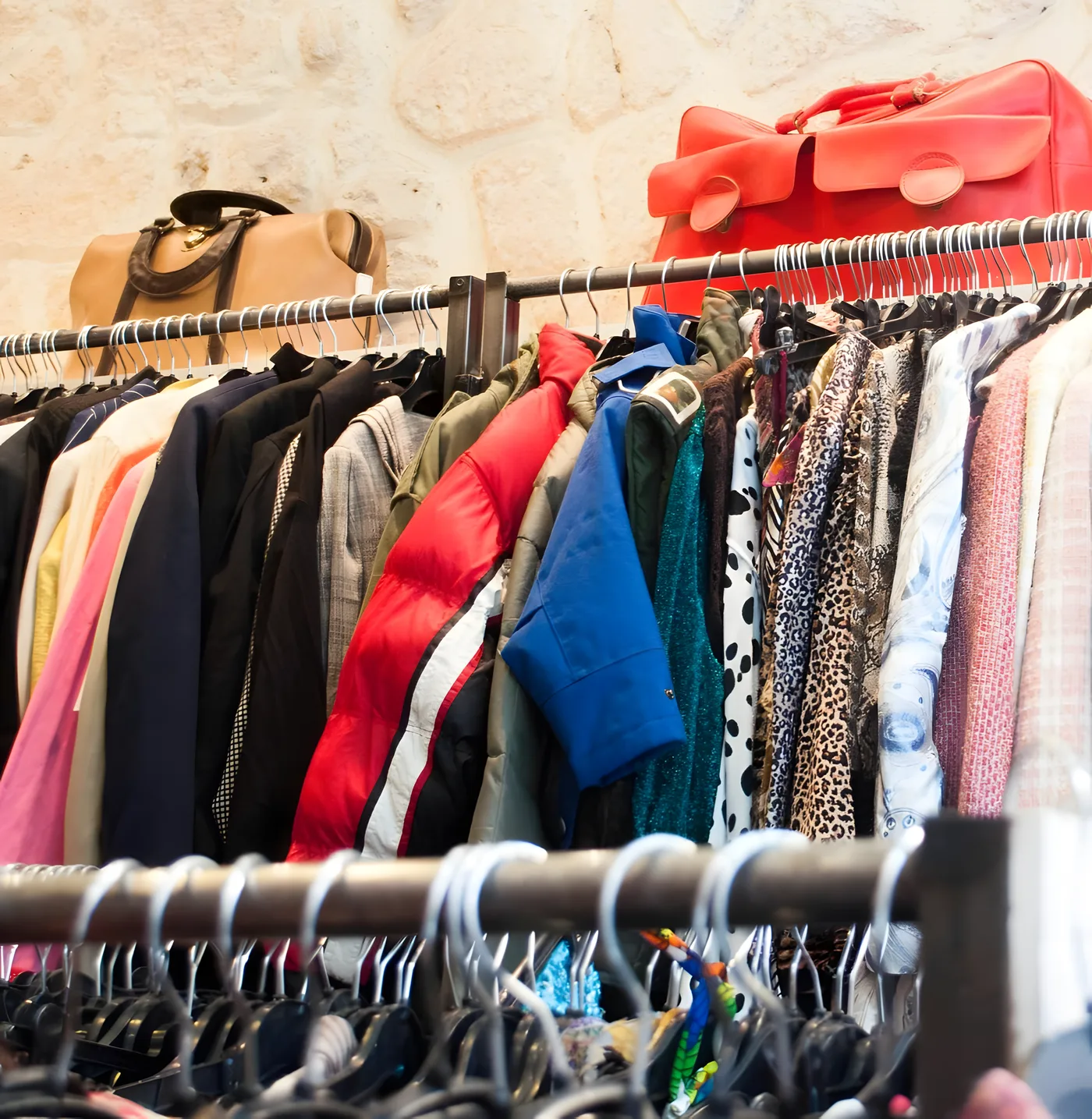
Online shopping is convenient, yes.
But I’ll always defend the thrill of finding secondhand gems in a physical store.
If you prefer shopping in person, these are the places worth checking out.
Local Thrift Stores
Start local first.
Local thrift shops offer a mix of unique and budget-friendly finds, and supporting them contributes to your community’s economy.
To locate one near you, try searching for “thrift store” in Google Maps and explore hidden treasures in your area.
Goodwill
Goodwill is a classic for a reason.
With over 3,000 locations across the country, Goodwill is a staple in secondhand shopping.
From clothing to home goods and books, Goodwill stores provide an ever-changing inventory at affordable prices.
They also offer select items for purchase online.
The Salvation Army
The Salvation Army is another dependable stop when you want to shop secondhand in person.
A well-known charitable organization, The Salvation Army operates thousands of thrift stores where you can donate or shop for pre-loved clothing and goods.
Their proceeds help fund community support programs, which makes every purchase meaningful.
Garage Sales
Don’t sleep on garage sales.
Sometimes, the best finds are the ones you stumble upon unexpectedly.
Keep an eye out for local garage sales, where you could score vintage fashion pieces, accessories, and unique household items at unbeatable prices.
Why Secondhand Shopping Matters
Here’s the real reason secondhand shopping is worth your time: it does more than save money.
Thrifting is a sustainable choice that reduces waste, conserves resources, and helps minimize fashion’s environmental impact.
By choosing pre-owned clothing, you’re contributing to a circular economy that values quality over excess.
No matter where you prefer to shop, whether online or in person, secondhand fashion is a win-win for both your wardrobe and the planet.
Have you tried any of these platforms?
Share your experiences and favorite thrift finds in the comments.