


Discovering Luxury Finds: A Comprehensive Guide to Thrift Store Shopping for Designer Pieces
-
admin / 2 years

- April 7, 2024
- 6 min read

Thrift shopping is one of my favorite ways to make fashion feel exciting again.
It’s sustainable, it’s practical, and yes, there’s real joy in finding designer gems at a fraction of their original price.
Spotting high-end brands like Chanel, Gucci, Louis Vuitton, and Yves Saint Laurent on thrift store racks isn’t just luck.
It’s a skill, and you can absolutely build it with the right knowledge.
1. Develop an Eye for Quality
Here’s the first thing I’d train your eye to notice: quality before labels.
Luxury fashion is tied to exceptional craftsmanship, and that shows up in the details before you ever find the tag.
Run your hands over the seams, look closely at the stitching, and pay attention to the fabric quality.
Designer items tend to have precise stitching, durable materials, and impeccable finishing.
That’s what separates them from mass-produced garments, especially when everything is packed together on a thrift store rack.
2. Recognize Labels and Logos
Honestly, learn the labels before you shop.
It makes the whole process faster, calmer, and way less overwhelming.
Familiarity with brand labels and logos is key when you’re searching for authentic designer pieces.
Some luxury brands keep their branding subtle, while others make it much more visible.
Check for brand insignias on buttons, zippers, and linings.
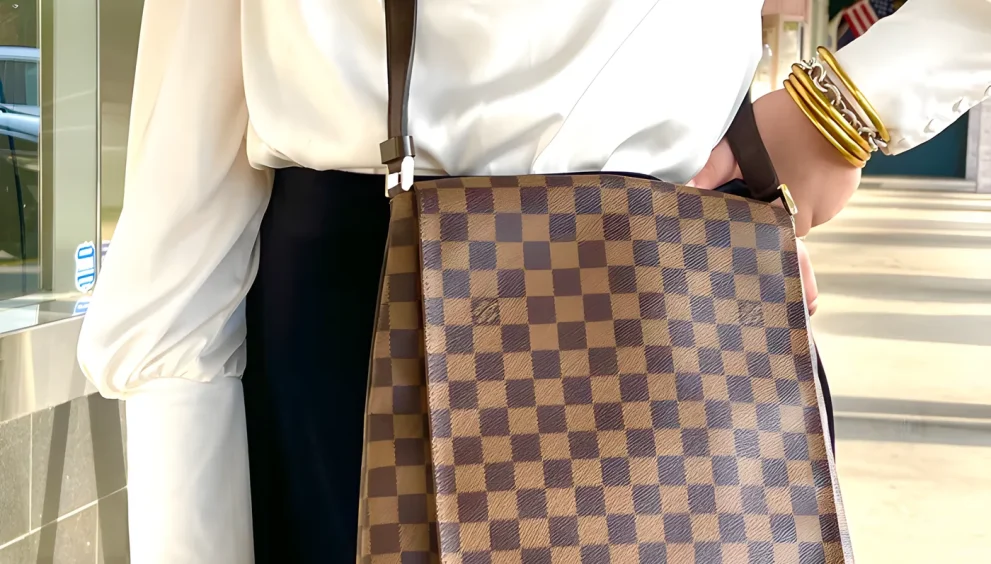
Signature elements like Chanel’s interlocking Cs, Gucci’s double-G logo, or Louis Vuitton’s monogram canvas can serve as authenticity markers.
3. Assess Fabric and Materials
If a piece feels expensive, pause and look closer.
Premium materials are a hallmark of designer fashion, and your hands can tell you a lot.
When you’re browsing thrift stores, notice the textures and fabric composition.
Genuine leather, silk, wool, and cashmere are commonly used in luxury items.
The weight and feel of the material often help you tell the difference between an authentic designer piece and a fast-fashion alternative.
4. Understand Designer Aesthetics
This is where a little fashion homework pays off.
Every designer brand has a signature style, and once you start recognizing those patterns, thrift shopping gets so much sharper.
Educating yourself on the defining characteristics of high-end labels significantly improves your ability to identify authentic pieces.
For example, Chanel is renowned for its classic tweed jackets and quilted handbags.
Gucci is known for its vibrant prints and signature green-red stripes.
You don’t need to become a fashion historian.
You just need enough visual familiarity to know when something is worth a second look.
5. Explore Curated Sections
Go straight to the curated racks when a store has them.
No shame in making the search easier on yourself.
Many thrift stores categorize their inventory, with special sections dedicated to high-end and designer goods.
These areas may be labeled as “boutique,” “premium,” or “designer” sections.
Ask store staff about these areas or any policies they may have regarding luxury items.
That one question can save you time and point you right toward the pieces you came in hoping to find.
6. Shop at the Right Time
Timing matters, so don’t treat thrift shopping like a one-and-done errand.
The best finds often come from showing up regularly.
Thrift stores frequently restock, which makes timing crucial for finding designer items.
Visit stores regularly and aim to shop after major holidays or donation drives, when inventory is likely to be replenished.
Seasonal clearances and sales events may also increase your chances of scoring luxury finds.
You’re not chasing perfection here.
You’re building a rhythm.
7. Don’t Overlook Accessories
If you only check the clothing racks, you’re leaving good stuff behind.
Accessories are often where the real thrift store magic happens.
Designer accessories, such as handbags, scarves, belts, and sunglasses, are often more readily available in thrift stores than clothing items.
These small but statement-making pieces are a great way to incorporate luxury into your wardrobe.
Pay attention to details like embossed logos, signature stitching, and high-quality fastenings.
A scarf, belt, or pair of sunglasses can make an outfit feel more polished without requiring a full designer look.
8. Be Open to Alterations
Don’t walk away from a beautiful piece just because the fit isn’t perfect on the hanger.
Fit can be worked with, especially when the quality is already there.
Finding the perfect fit in a thrift store can be a challenge, but that shouldn’t discourage you from purchasing a quality designer item.
Investing in professional alterations can transform a thrifted piece into a well-fitted, stylish staple.
Tailoring can breathe new life into an item while maintaining its luxury appeal.
That’s not settling.
That’s making the piece work for you.
9. Explore Online Thrift Platforms
Take the hunt online when you want more options.
Physical thrift stores are great, but they’re not the only place to find pre-owned designer fashion.
Extend your search beyond physical stores by exploring online platforms that specialize in pre-owned designer fashion.
Websites and apps dedicated to second-hand luxury shopping provide a curated selection, which makes it easier to find specific brands.
Still, don’t skip the practical checks.
Always verify authenticity by checking seller reviews, item descriptions, and authentication processes.
A good find should make you feel confident, not nervous.
10. Connect with the Thrifting Community
Don’t thrift in a bubble if you don’t have to.
The community around thrift and vintage fashion is full of people who genuinely love sharing what they know.
Engaging with thrift and vintage fashion communities, both online and in person, can enhance your shopping experience.
Fellow enthusiasts often share valuable insights, authentication tips, and store recommendations.
Being part of a network of like-minded shoppers can help you stay informed about new thrift store arrivals and exclusive deals.
And honestly, it makes the whole process feel more fun and less intimidating.
Make the Hunt Worth It
Shopping for designer brands in thrift stores takes patience, research, and a keen eye for detail.
That’s the honest version.
But beyond the joy of finding luxury items at unbeatable prices, thrift shopping also supports sustainability and builds a deeper appreciation for craftsmanship.
As you refine your thrifting skills, every visit to a thrift store becomes a potential treasure hunt filled with possibilities.
So gear up, embrace the adventure, and enjoy the journey of uncovering hidden designer gems.