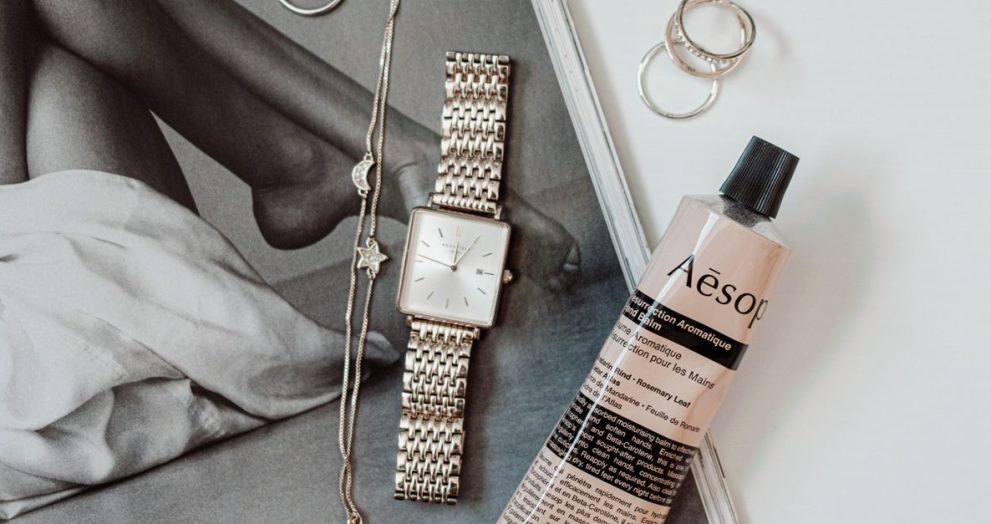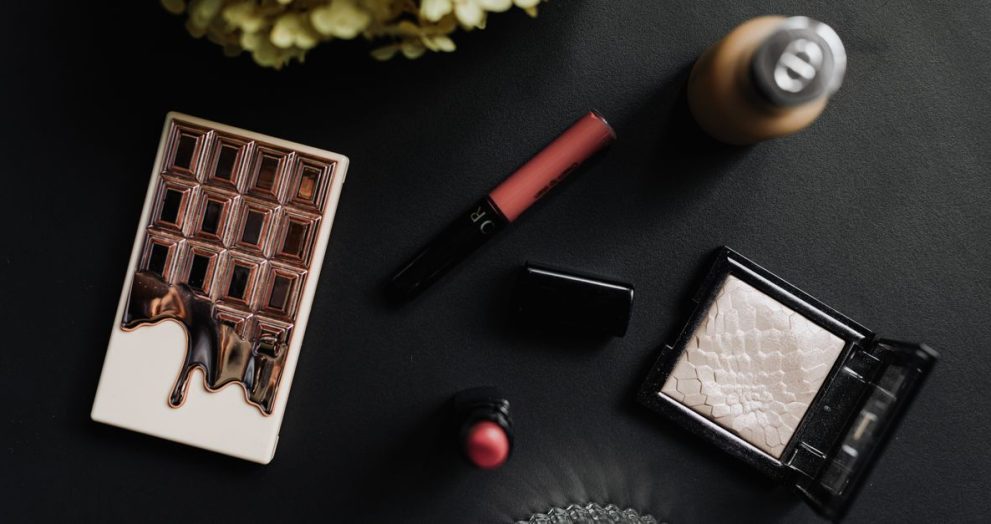





As an online reseller, sourcing and selling luxury goods is one of the strongest ways to increase profits and build a sustainable business.
High-end designer items tend to hold their value well, and they often bring in buyers who are willing to pay premium prices.
But here’s the truth: a luxury label alone doesn’t make something a smart buy.
Finding the right pieces at the right price takes strategy, patience, and a clear process, so I’m walking you through how I source luxury goods for resale, from research to purchasing and pricing strategies.
1. Conduct Thorough Research
Here’s the move: do the research before you spend a dollar.
Luxury resale rewards the reseller who understands the market, not the one who grabs anything with a designer name on it.
Some designer pieces appreciate over time, while others lose value quickly.
To make informed decisions, focus on this:
- Monitor fashion trends on social media, blogs, and fashion news websites.
- Identify classic and timeless luxury items that retain value.
- Observe pricing on secondhand marketplaces to understand demand.
Even if an item carries a luxury brand name, it doesn’t guarantee a fast sale or high profit margin.
Researching market demand keeps your investments smarter and your money safer.
2. Set a Realistic Budget
I’d rather see you start small and stay in the game than overspend trying to look like a big reseller on day one.
Luxury goods often require a higher initial investment, which means there’s also a greater risk.
Manage that risk with clear boundaries:
- Start small by purchasing one or two high-end items to test the waters.
- Set a clear budget to prevent overspending.
- Ensure that the projected resale price covers costs and provides a healthy profit margin.
Knowing your financial limits isn’t restrictive.
It’s what keeps your business sustainable.
3. Determine Your Inventory Needs
Don’t pile up luxury inventory just because it feels exciting.
Source what your business can actually hold, list, sell, and restock.
How many luxury items should you source at a time?
The answer varies depending on your business model, but these are the factors that matter:
- Your available budget and storage capacity.
- The variety of items in your inventory.
- How quickly you can sell and restock new pieces.
I typically source a handful of designer items per cycle.
That gives me a balanced mix of products that cater to different buyers without overloading the business.
4. Define Your Profit Margins
Here’s where I get strict: not every luxury item is worth reselling.
Before I buy, I look at the potential profit margins and decide whether the item earns its place in my inventory.
A good strategy is:
- Setting a minimum profit threshold (e.g., at least $100 per sale).
- Targeting a markup percentage (e.g., selling for 3x the cost of goods).
- Comparing similar sold listings to predict realistic pricing and demand.
This keeps every purchase aligned with profitability goals.
It also reduces the risk of losses, which matters just as much as chasing a great sale.
5. Choosing the Right Luxury Items to Source
My recommendation is simple: source categories you actually understand.
Knowledge protects your money in luxury resale.
When selecting which items to buy, I recommend focusing on specific categories.
Personally, I specialize in luxury handbags and designer footwear because they offer strong resale value and I’m well-versed in authentication techniques.
A few key points matter here:
- Selecting categories you are knowledgeable about.
- Avoiding overly niche products with limited buyer interest.
- Learning to distinguish authentic items from replicas to avoid scams.
If you’re unsure about an item’s authenticity, use professional authentication services that can verify its legitimacy before you make a purchase.
That step is worth taking seriously.
6. Where to Source Luxury Goods Online
I like sourcing online because you can compare, filter, and move quickly when a good piece appears.
The key is sticking with reputable platforms and staying disciplined on price.
There are several reputable online platforms where resellers can find high-quality luxury items at competitive prices.
Some of my favorite sourcing options include:
- Poshmark – Great for finding discounted designer pieces from private sellers.
- The RealReal – A trusted luxury consignment platform offering authenticated designer goods.
- ThredUp – Occasionally offers luxury pieces at lower-than-market prices.
- Mercari – A versatile marketplace with negotiable pricing.
When I’m sourcing on these platforms, I use strategic filters instead of scrolling aimlessly.
That looks like this:
- Sorting listings by “Just In” to catch newly posted deals.
- Setting price limits to avoid overpaying.
- Liking items to potentially receive discount offers from sellers.
7. Purchasing and Pricing Strategy
Once you spot a promising item, don’t let excitement make the decision for you.
Slow down, check the details, and let the numbers lead.
Once I identify a potential item, I follow a strict evaluation process before buying:
- Verify authenticity – Use brand-specific authentication guides or professional services.
- Check for damage – Assess condition to estimate resale value.
- Analyze the resale market – Compare similar sold listings.
If the item meets my criteria, I proceed with the purchase and list it at a competitive price.
Pricing factors include:
- Market demand and competition.
- Condition and rarity of the item.
- Brand reputation and desirability.
Example of a Successful Luxury Flip
Here’s a real example of why the process matters.
A good luxury flip isn’t luck; it’s buying carefully, pricing smartly, and protecting your margin.
Recently, I sourced a pair of brand-new designer shoes at a steal.
Here’s a breakdown of how I turned it into a profitable resale:
- Item: Luxury heels with original packaging.
- Purchase Price: $50
- Resale Price: Listed at $200, sold for $180.
- Net Profit: After marketplace fees, I earned a $94 profit.
This process has proven effective in growing my reselling business while minimizing risks.
Final Thoughts
If you’re going into luxury resale, go in with a plan.
That’s how you make it rewarding instead of stressful.
Sourcing luxury goods for online resale is a rewarding yet strategic process.
By researching market trends, setting a budget, carefully selecting inventory, and sourcing from reliable platforms, you can build a profitable luxury reselling business.
If you’re looking to get started, take the time to learn about authentication and pricing strategies.
The more knowledge you gain, the better your chances of success in the luxury resale market.
Happy reselling.