



How to Build a Chic Wardrobe on a Budget: Smart Shopping and Style Tips
Let’s be honest—most of us have had that “full closet, nothing to wear” meltdown. Maybe you’re tired of fast fashion flings, or the thought of shopping just sounds… expensive. If you want a chic wardrobe on a budget, here’s the truth: it’s 100% doable. No magic credit card. No subscription box required. Just smart choices, a little strategy, and the confidence to skip the “fashion elite” gatekeeping. I’ve got you. You don’t need to spend a fortune to look amazing—or to actually feel good in your clothes. Here’s how everyday women—yes, all budgets and all bodies—can build a wardrobe that works.
- Start with versatile basics you’ll reach for on repeat.
- Shop smarter: focus on quality fabrics and fit, not labels.
- Prioritize secondhand and sales for real deals—skip “disposable” trends.
- Organize your closet so you can see (and wear) what you own.
- Mix high-low looks with confidence—your budget, your rules.
How to Shop Smart (and Actually Enjoy It)
Building a chic wardrobe on a budget starts with shopping on purpose—not impulse. Here’s the move: get ruthless about what you love, know what you’ll actually wear, and don’t let a sale seduce you into settling for “meh.”
Start by figuring out what you already wear on repeat. That’s the north star for what belongs in your closet—nobody else’s checklist matters.
When you shop, check the fabric first. If it feels scratchy, thin, or like it’ll pill after two washes, keep walking. Cotton, linen, soft knits, good denim—these feel good and last.
Fit > trend. If you put it on and instantly want to change, that’s a no—even if it’s $2.
Don’t sleep on sales, but never buy just because of a “deal.” Would you want it at full price? If not, skip.
And ignore the “must-have” item of the month. Trends come and go. The question is: do you light up when you wear it?
Five Pieces That Build a Wardrobe (Not Just Fill a Closet)
Want to look put-together every day—even when you’re racing out the door? Here’s where to invest (whether it’s $25 or $100):
- A pair of jeans or trousers you love: high waist, straight leg, full length—whatever makes you feel good sitting or standing.
- A classic “third piece”: blazer, structured cardigan, or cropped jacket for instant polish.
- A comfortable shoe that goes with almost everything. Sneakers, ankle boots, ballet flats—don’t worry about “rules,” just pick practical + stylish.
- A handful of versatile tops: a solid tee, a simple blouse, maybe a knit. Mix texture, not logos.
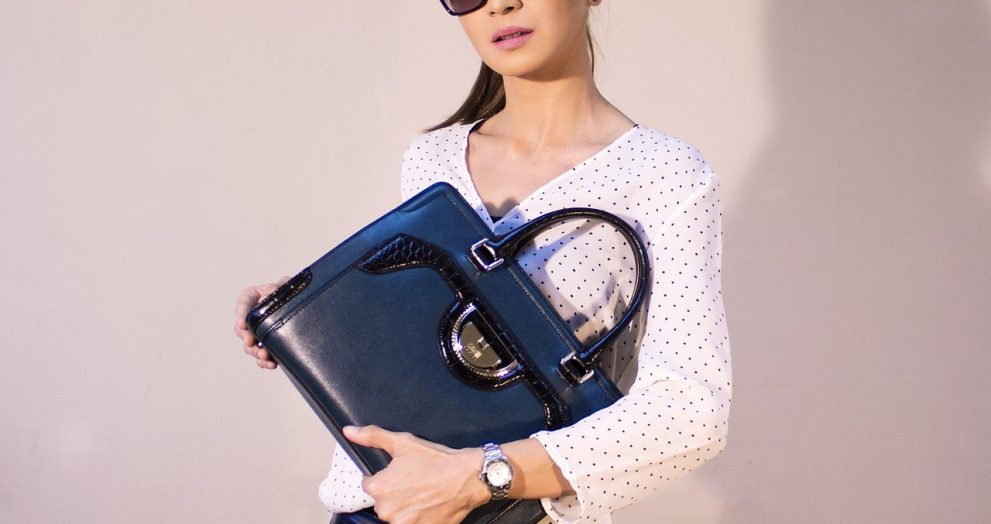
- A bag big enough for your real life but sleek enough for a day-to-night switch.
You don’t need 25 things in each category. Just a few you can mix, match, and run out the door in—without stress shopping every week.
How to Organize for a Wardrobe That Actually Works
Most of us have enough—it’s just buried under chaos. Wardrobe organization tips aren’t just aesthetic; they’re sanity.
Pull everything out and get brutally honest. If it doesn’t fit, feels uncomfortable, or you keep skipping it—let it go. Donate, gift, sell, whatever feels doable. No shame.
Group what’s left by category—tops, pants, dresses, jackets. Hang or fold so you can see it all. No more mystery piles at the back.
Want to really level up? Try a capsule: 20-30 pieces you love, worn in different combos. Makes mornings lightning fast. If that feels too strict, just rotate seasonally. Stash off-season stuff out of sight (under-bed bins, high shelves—cheap and easy).
Keep a running note on your phone of what you wish you had—so when you shop, you’re in control, not panic shopping again.
Why Secondhand Isn’t Settling—It’s Smart
If you’re not already secondhand shopping, I promise: this is not a downgrade, it’s a style superpower. Secondhand fashion advice isn’t about sacrificing style—it’s how you score quality pieces at a fraction of the price.
Thrift stores, consignment shops, and online resale sites are full of gems—think: real leather bags, coats with actual wool, statement dresses you won’t see on three other people at brunch. And you’re not feeding the fast fashion machine.
Start with categories that don’t need a “perfect” fit: outerwear, bags, knits, or oversized layers. These are high-value finds for less. If you’re hunting jeans or shoes, look for trusted brands you know fit—or shop local so you can actually try on.
Check for fabric (again!), inspect seams, and skip anything with weird smells or stains that look permanent. Feeling weird about it? Wash, steam, and you’re golden.
With patience, secondhand lets you buy better—sometimes even for less than new fast fashion. Sustainable, wallet-friendly, and one-of-a-kind? Worth it every time.
Checklist: Picking Versatile, Chic Wardrobe Pieces
| Category | What to Look For | What to Skip |
|---|---|---|
| Tops | Solid colors, soft fabrics, interesting neckline or sleeve | Fussy closures, itchy fabric, see-through unless intentional |
| Bottoms | Comfy waist, classic cut, pockets or easy to layer | Anything you always “fix” or tug at, dry clean only |
| Outerwear | Timeless color, sturdy hardware, midweight for layering | Trendy patterns you’ll tire of, plastic-y finishes |
| Shoes | Walkable, supports your go-to routine, easy to wipe clean | Painful after 10 minutes, thin soles, can’t survive rain |
| Bags | Crossbody or tote, neutral shade, wipeable lining | Tiny “occasion” bags, hard-to-close snaps |
Bottom line: Chic doesn’t cost a fortune—it’s about how you wear it
Building a chic wardrobe on a budget is always about confidence and creativity—not just the price tag. Start small. Use what you have. Choose quality over quantity, and don’t let “rules” box you in. Style? It’s yours, at any budget.
FAQ
How can I look chic without spending much? You can look chic by focusing on fit, fabric, and versatile basics—not label or price. Stick to items that make you feel confident and elevated, then mix high and low pieces. The secret isn’t money—it’s knowing what works for you and repeating it with pride.
What are the best budget-friendly fabrics for a chic wardrobe? The best budget-friendly fabrics are cotton, linen, modal, and soft knits. These feel good and last. Avoid anything that feels flimsy or itchy, even if it’s cheap—comfort is key for looking (and feeling) put-together.
How do I organize my wardrobe when I have too many clothes? Start by pulling everything out and only keeping what you love and actually wear. Group by category, fold or hang so everything’s visible, and box up off-season stuff. Donate or sell what’s left—you’ll get dressed faster and love your closet more.
Is secondhand shopping really worth the effort? Yes—secondhand shopping is worth it for finding unique, high-quality pieces at low prices. Focus on outerwear, bags, and knits for easy wins, and check everything for wear or damage. You’ll end up with one-of-a-kind style and save money.
What should I avoid buying if I’m on a tight budget? Avoid “disposable” trends, high-maintenance fabrics, and anything you don’t immediately love. Steer clear of items that only work for one occasion or require expensive care. Shop for your life, not just your wishlist—practical trumps impulse every time.