



#Lifestyle & Shopping Guides

Smart Shopping: How to Build a Stylish Wardrobe on a Budget

Smart Shopping: How to Build a Stylish Wardrobe on a Budget

Ever open your closet in the morning, sigh, and think, “Nothing fits, nothing goes, nothing feels like me”? You’re not alone—especially if you’re trying to look stylish and keep your spending in check. Budget wardrobe shopping isn’t some YouTube hack or Pinterest fever dream. It’s practical, totally possible, and you don’t have to sacrifice your real life (or your paycheck) for a closet that feels good every day. Here’s the bottom line: Smart shopping is about knowing what works, where to find it, and how to stretch your cash—without giving in to pressure or chasing the latest haul.

Quick take: Smart Shopping on a Budget

  • Start with a list—shop with a plan, not on impulse.
  • Go for versatile basics, then add personality with accessories.
  • Mix new, secondhand, and sales—ignore the label, focus on value.
  • Check quality before buying—cheap isn’t a bargain if it falls apart.
  • Set a budget, track your wins. Guilt-free style is the goal.

How to Build a Budget-Friendly, Stylish Wardrobe That Works

Dressing well on a budget is about getting intentional—what do you actually wear, love, and need in real life? Here’s the move: build around pieces you’ll reach for on busy days, layer up for anything, and wear a zillion ways. Skip the closet stuffed with “meh” that never sees daylight.

First, take stock. Open your closet and pull out everything you already love—think “easy jeans”, the breezy tee that washes well, flats that work all day, the sweater that just hangs right. Notice patterns? That’s your style DNA, and you don’t need to reinvent yourself to look good.

Make a list of gaps—not what a sales email says you “need”, but what would actually solve a daily problem. A bag that fits your laptop. Layers for unpredictable weather. A dress that feels like pajamas but looks like a million bucks. Only shop for what’s missing, not what you already have duplicates of.

And here’s the truth: You do not need a closet overhaul every season. The smartest, most stylish women repeat their favorites and change up the vibe with one or two updates (think: a scarf, bold earrings, or swapping sneakers for boots).


Where to Find Fashion Deals (and What to Avoid)

Finding affordable, quality pieces means shopping with your eyes open—yes, to sales, but also to what lasts. Cheap isn’t good if it’s landfill in six weeks, and “designer” on clearance won’t save you if the fit’s off or the itch factor is sky-high. Here’s how to find real value instead of regret-buys.

Start by mixing sources. Thrift stores are goldmines for blazers, denim, and unique finds—skip the hype, and hunt by fabric or silhouette. Try consignment shops for gently worn workwear or party pieces. Shop end-of-season racks at major retailers—not just clearance but those sneak “last size” gems. Online, filters are your friend: sort by price, size, and read reviews before you add to cart.

Don’t be fooled by fake “deals.” If it’s trending hard on social and costs less than lunch, check the seams. Fast fashion can fill a gap, but only if you’d repair it, not toss it. Oh, and flash sales—inbox bait. If you wouldn’t pay full price, odds are you don’t need it on sale either.


Smart Shopping Habits for Women Who Want More for Less

The best wardrobe investments are the ones you actually wear. Want to dodge closet regret and random splurges? Build a few habits that protect your wallet—and your mornings.

Always have a “waiting period” for non-essentials. (If it’s still living in your head after a week, it’s probably worth it.) Make a budget—real numbers you can stick to, not aspirational math. Dedicate a set amount each month for wardrobe refreshes, save for a “bigger” item twice a year, and re-route those “wish list” impulse clicks into a future fund.

Try the one-in, one-out rule. For every new thing, donate or sell something you’re not wearing. It keeps clutter down and helps you focus on quality over quantity. And honestly? Track what you wear for a month—see what rotates constantly, and what’s collecting dust. That’s where your real-life style hides out.

The other trick: Know your return deadlines, save receipts, and try things on at home with your actual clothes, not just under perfect store lighting.


How to Tell if an Affordable Fashion Find Is Actually Worth It

Not all budget buys are created equal—the difference is usually in the details. You want longevity and comfort, not a bargain that creates more hassle than joy.

Touch the fabric. Natural fibers like cotton, linen, and some viscose blends age well and feel good all year. Seams should sit flat, buttons should stay put, and when you stretch it gently, it should bounce back. Try zippers twice. If the care label reads like a chemistry exam, think twice—complicated can mean high upkeep costs that eat up your savings later.

Fit is everything. Cheaper clothes can look luxe if they fit your body comfortably—consider a quick trip to a local tailor for small tweaks (hems, sleeves, waist nips). That $10 adjustment turns “just okay” into “actually perfect”, and it works for every size, shape, and age.

Finally, if it only works for a single scenario (“just in case I’m invited to a Met Gala”…), leave it. Look for pieces you can mix, layer, and repeat without anyone noticing—except you, smiling because you nailed it for less.


Essential What to Look For (On ANY Budget) How to Style / Wear It
Straight-leg jeans Mid-weight denim, minimal stretch, sturdy stitching Dress up with a blazer or down with sneakers
Basic tee (neutral or color-pop) Opaque fabric, smooth seams, soft but not thin French tuck into jeans or layer under cardigans
Lightweight sweater No pilling at purchase, decent stretch recovery Solo, or over a button-down for office polish
Comfy flats or sneakers Flexible sole, real or vegan leather, break-in comfort Wear daily, weekend errands, or with dresses
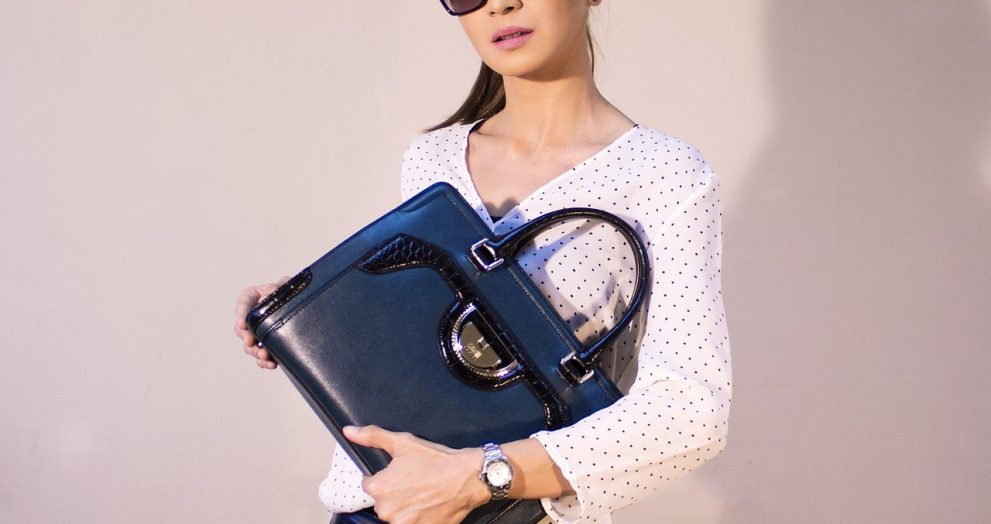
Everyday bag Sturdy strap, easy zipper/snap, base that stands up Big enough for essentials, not a bottomless pit

Bottom line: You Can Shop Smart, Stay Stylish, and Feel Good—All on a Budget

Budget wardrobe shopping isn’t about deprivation, and it’s not about chasing someone else’s idea of “fashion”. It’s about practical confidence—finding pieces that work hard for your body, your days, and your wallet. Start with what you have, focus on real-life needs, and don’t let price tags dictate your worth. Your closet’s about you, not the size of your cart or the brands on your tags. That’s style, done smarter—for every season and every budget.


FAQ: Budget Wardrobe Shopping Tips

How do I start building a wardrobe on a budget? Start by decluttering and making a list of what you wear and what’s missing. Focus your budget on versatile, comfortable basics first, then add statement accessories later.

Where can I find the best affordable fashion deals? The best fashion deals show up at thrift and consignment shops, end-of-season sales at major stores, and by using online filters to spot value. Always check quality before you buy.

How do I know if a cheap fashion item is good quality? Check fabric, seams, fit, and care instructions. Good quality means it fits comfortably, resists pilling or stretching, and won’t cost a fortune to maintain.

What’s the smartest way to avoid impulse shopping? The best trick is a waiting period for any non-essential buy. Give yourself a few days (or a week); if you still want it, it’s probably worth it.

Can you look stylish without spending a lot of money? Absolutely. The secret is buying fewer, better-fitting basics, mixing new with secondhand, and tuning out trends that don’t work for you. True style is about how you feel, not how much you spend.