


22
Sep
Sep

7 Best Sustainable Fabrics and Shopping Guide
-
admin / 2 years

- September 22, 2024
- 6 min read

Have you ever stopped to think about the environmental impact of the fabrics you wear?
Not in a guilt-trip way.
More in a “I deserve to know what I’m buying” way.
Because understanding where your clothing comes from, and how it’s produced, is a big part of living more sustainably.
And honestly, the textile industry doesn’t make that easy for everyday shoppers.
It’s one of the most wasteful and polluting industries globally, contributing significantly to water, air, and land pollution.
From resource extraction to production, shipping, and disposal, fabrics play a substantial role in environmental degradation.
Major Environmental Impacts of the Textile Industry
Here’s the thing: if we’re going to shop more responsibly, we need to know what the problem actually is.
Not to feel overwhelmed.
To shop with our eyes open.
- Water Pollution: Fabric dyeing and manufacturing consume vast amounts of water, and they often contaminate water sources with toxic chemicals. Microfiber and microplastic pollution in water bodies are also partly attributed to textiles.
- Air Pollution: The textile industry accounts for nearly 10% of global carbon emissions because of the high demand for new, inexpensive fabrics, with fast fashion being a major contributor.
- Land Pollution: Approximately 92 million tonnes of textile waste end up in landfills annually, with only about 12% being recycled, often because of corporate greenwashing claims.
So yes, fabric choice matters.
In this guide, we’ll walk through seven of the best sustainable fabrics that are environmentally friendly and practical for your wardrobe.
We’ll also cover the shopping tips that help you choose fabrics responsibly, without needing a degree in textiles to do it.
What to Consider When Buying Sustainable Fabrics
Here’s my rule: don’t trust a pretty sustainability claim until the fabric backs it up.
A brand can say a lot of lovely things, but the material, sourcing, dyeing process, and certifications tell you what’s really going on.
1. Certifications
Start here, because certifications cut through the marketing noise.
Look for official textile certifications that indicate sustainable and ethical practices.
Common certifications include:
- Fairtrade: Ensures fair wages and ethical treatment of workers.
- Oeko-Tex Made in Green: Guarantees that materials are free from harmful substances and produced sustainably.
- Global Organic Textile Standard (GOTS): Requires fabrics to be at least 70% organic and prohibits hazardous chemicals.
- Textile Exchange: Verifies organic farming and ensures sustainable production processes.
2. Material Composition
Go for natural and biodegradable fabrics first.
That’s the move.
Avoid synthetic fabrics like polyester and nylon, which are petroleum-based and non-biodegradable.
Instead, choose materials such as organic cotton, bamboo, hemp, and linen, which have a lower environmental impact.
3. Ethical Sourcing
Don’t stop at the fabric name.
Where and how it’s sourced matters just as much.
Ethical brands prioritize fair wages, safe working conditions, and sustainable production methods.
4. Dyeing Process
This is one of those details that gets overlooked, but it really matters.
Fabric dyes can be highly toxic to the environment.
Choose fabrics dyed with natural alternatives such as:
- Indigo
- Turmeric
- Pomegranate
- Coffee grounds
- Marigolds
Top 7 Sustainable Fabrics
If you only remember one thing, remember this: the best sustainable fabrics are the ones that make sense for real life.
They need to be better for the environment, yes, but they also need to work in your wardrobe.
1. Eucalyptus Silk (Vegan Silk)
I’d put eucalyptus silk on your radar if you love the feel of silk but want an eco-friendly alternative to traditional silk.
Eucalyptus silk is made from eucalyptus tree fibers.
It requires fewer resources to produce and is both soft and durable, which makes it an excellent option for bedding and clothing.
- Biodegradable: Yes
- Sustainability Score: OK
2. Tencel and Lyocell
For everyday clothing, I’d absolutely look at Tencel and Lyocell.
They feel practical, wearable, and easy to live in.
Tencel and Lyocell are made from wood pulp through a closed-loop, non-toxic process.
These fabrics are breathable, wrinkle-resistant, and compostable, making them ideal for activewear and everyday clothing.
- Biodegradable: Yes
- Sustainability Score: OK
3. Bamboo Cotton
Bamboo cotton is one of the easier sustainable fabric choices to understand, and that’s a win.
It’s soft, comfortable, and doesn’t ask you to compromise on how your clothes feel.
Bamboo cotton, or bamboo viscose, is produced without harmful chemicals, making it a sustainable alternative to conventional cotton.
It requires significantly less water to grow.
- Biodegradable: Yes
- Sustainability Score: Great
4. Hemp
If you want one of the strongest sustainable fabric choices, go straight to hemp.
No fuss.
Hemp is one of the most sustainable fabrics available.
It requires little water, no pesticides, and absorbs large amounts of CO2.
Hemp clothing is also durable and biodegradable.
- Biodegradable: Yes
- Sustainability Score: Excellent
5. Organic Cotton
Organic cotton isn’t perfect, but I’d still choose it over synthetic alternatives.
That distinction matters.
Unlike conventional cotton, organic cotton is grown without synthetic pesticides or fertilizers.
It reduces pollution and protects farmers’ health.
While it’s not the most eco-friendly option, it’s far better than synthetic alternatives.
- Biodegradable: Yes
- Sustainability Score: OK
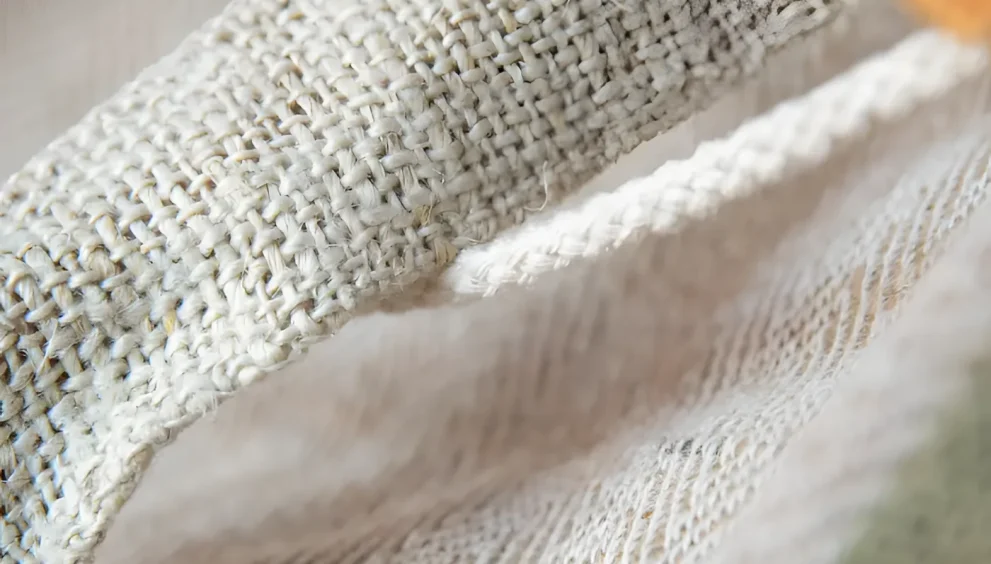
6. Organic Linen
Organic linen is one of those fabrics I’ll always defend.
It’s practical, beautiful, and especially good when you want clothing that feels comfortable in warm weather.
Organic linen is derived from flax plants.
It requires minimal water and is highly biodegradable.
It’s durable, soft, and perfect for warm-weather clothing and home textiles.
- Biodegradable: Yes
- Sustainability Score: Excellent
7. QMONOS (Bioengineered Spider Silk)
QMONOS is the one to watch if you’re interested in where sustainable fabrics are heading next.
It’s not widely available yet, but it’s still worth knowing.
QMONOS, developed by Spiber, is a lab-engineered spider silk with remarkable strength and recyclability.
While not widely available yet, it represents the future of sustainable fabrics.
- Biodegradable: Yes
- Sustainability Score: Great
Frequently Asked Questions
Here’s the quick, no-nonsense version.
Because sustainable fabric shopping gets confusing fast, and you don’t need vague answers.
Is wool sustainable?
Wool is biodegradable and durable, but it has ethical concerns related to animal welfare.
Given modern farming practices, we don’t recommend wool as a sustainable option.
Is polyester sustainable?
No.
Polyester is a petroleum-based synthetic fabric that is non-biodegradable and pollutes water sources with microplastics.
Is recycled polyester a good alternative?
Only if it’s 100% recycled with no virgin materials.
However, washing recycled polyester garments still releases microplastics into the water system.
What are the most sustainable fabrics?
The most sustainable fabrics include hemp, organic linen, and bamboo cotton.
Look for third-party certifications to make sure sustainability claims are legitimate.
Final Thoughts
If you want a simple place to start, start with the fabric tag.
That tiny label tells you more than most marketing copy ever will.
Choosing sustainable fabrics is an impactful way to reduce your environmental footprint.
By selecting materials that are ethically sourced, biodegradable, and certified by trusted organizations, you can make a meaningful difference in the fashion industry.
Next time you shop, keep sustainability in mind and choose fabrics that support a healthier planet.