




6 Innovative Sustainable Fabrics to Watch This Year
-
admin / 2 years

- June 11, 2024
- 4 min read

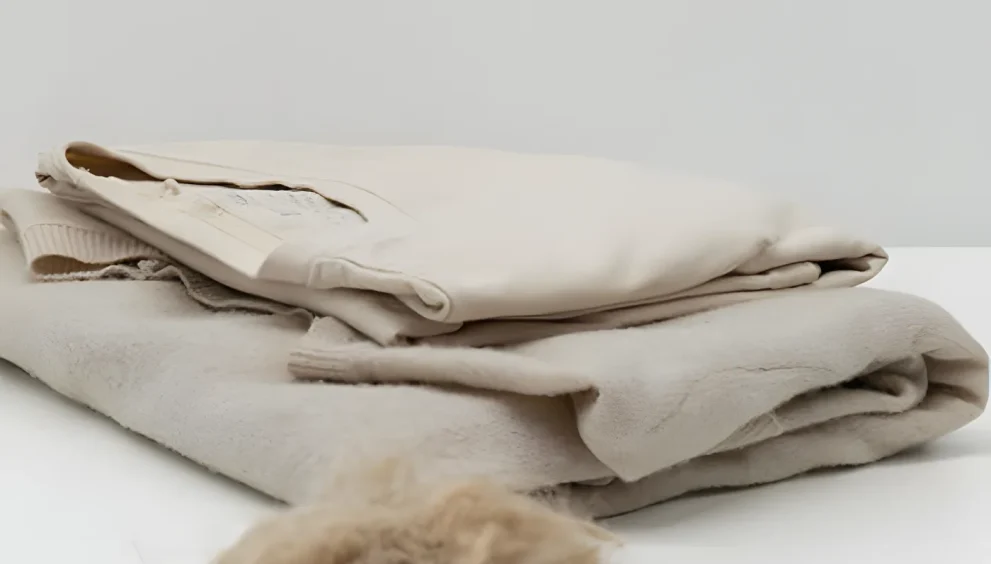
Sustainable fashion isn’t just about buying less or choosing better basics.
The fabrics themselves are changing, and honestly, that’s where things get exciting.
Fast fashion and synthetic textiles still dominate a lot of the industry, but sustainable and innovative fabrics are gaining real traction.
By using natural resources and repurposing waste materials, eco-friendly textiles have the potential to revolutionize the clothing industry.
From agricultural byproducts to ocean waste, forward-thinking brands are finding new ways to create sustainable fabrics.
Here are six innovative textiles to watch out for this year.
1. MIRUM®
Here’s the one to watch if you love the look and feel of leather but don’t want the usual baggage that comes with it.
MIRUM® is a revolutionary plant-based material made from natural components such as coconut fiber, natural rubber, and cork.
It’s designed to replicate the texture of leather, but it’s entirely plastic-free and biodegradable.
That matters, because a leather alternative shouldn’t have to mean more plastic in the mix.
MIRUM® also requires minimal water and energy during production, making it an excellent eco-friendly alternative to traditional leather.
Applications: Car interiors, furniture, accessories, shoes, and clothing.
2. Bananatex®
This is the kind of fabric innovation I love: practical, tough, and not precious about where it comes from.
Bananatex® is the world’s first biodegradable and regeneratively grown fabric sourced from Abacá banana plants.
The durable fiber comes from plant materials that are typically discarded, which is exactly the kind of smarter use fashion needs more of.
The result is a strong, water-resistant, and versatile textile.
Bananatex® has already moved into mainstream fashion, with brands like Stella McCartney and Balenciaga incorporating it into their designs.
Applications: Backpacks, suitcases, tech accessories, shoes, outdoor gear, and clothing.
3. Orange Fiber
If silk is the reference point, Orange Fiber is the clever alternative worth knowing.
This innovative fabric transforms citrus peel waste into a luxurious textile resembling silk.
Through a patented process, Orange Fiber repurposes discarded fruit peels from the juice industry into biodegradable fabric.
It’s already been embraced by luxury fashion brands, which tells you this isn’t just a good-on-paper sustainability idea.
The material offers an elegant alternative to silk while also helping reduce food industry waste.
Applications: Scarves, blouses, drapery, pillows, and handbag linings.
4. S.Café®
For performance wear, this is the kind of fabric story that actually makes sense.
S.Café® fabric is made by combining recycled coffee grounds with plastic waste.
That combination creates a solvent-free, moisture-wicking, and UV-resistant material.
It also has natural odor control properties and a significantly lower carbon footprint compared to traditional textiles.
Turning coffee waste into functional fashion materials is smart, full stop.
S.Café® technology has gained recognition for its sustainability and versatility in performance wear.
Applications: Luggage, bedding, shoes, accessories, outdoor gear, and clothing.
5. OYSTEX
This one is a strong reminder that waste doesn’t have to stay waste.
Developed by the clothing brand Jetty, OYSTEX incorporates ground oyster shells, recycled plastics, and natural fibers.
Together, they create a breathable, moisture-wicking, and anti-odor fabric.
By repurposing seafood industry waste, this fabric reduces landfill accumulation.
It also helps prevent marine ecosystem disruptions caused by excessive oyster shell disposal.
Applications: Clothing, activewear, and outdoor gear.
6. Fibe
Fibe is one of those ideas that sounds simple, then you realize how much potential is sitting in it.
Fibe is a cutting-edge fabric derived from the stems and leaves of potatoes that would otherwise go to waste.
With patent-pending technology, Fibe aims to replace a significant portion of global natural fiber demand.
This biodegradable, compostable, and recyclable fabric presents a promising sustainable alternative to synthetic materials.
Applications: Everyday clothing and apparel.
The Future of Sustainable Fashion
Here’s the takeaway: sustainable fashion doesn’t have to mean sacrificing function.
These innovative fabrics prove that sustainability and functionality can coexist.
As brands and consumers shift towards ethical fashion, these materials offer eco-conscious alternatives that promote a circular economy.
Keeping an eye on these advancements can help support a more responsible and sustainable fashion industry.