




Fashion is finally getting the message: looking good shouldn’t come at the planet’s expense.
As we navigate through this year, the fashion industry is seeing a real shift toward sustainability, with environmental concerns and ethical considerations right at the front.
Designers, brands, and consumers are embracing smarter solutions that prioritize sustainability without compromising style.
Here’s what’s shaping a more conscious and eco-friendly industry right now.
Understanding Sustainable Fashion
Here’s the thing: sustainable fashion isn’t just about swapping in eco-friendly fabrics and calling it done.
It’s a bigger, more honest approach to reducing environmental impact and making sure production practices are ethical.
That means responsible sourcing of materials, fair labor conditions, waste reduction, and transparency throughout the supply chain.
And as awareness grows, more brands are committing to sustainability, which gives consumers more power to make informed and ethical choices.
Key Sustainable Fashion Trends
If you’re paying attention to fashion right now, this is the part that matters.
These are the sustainable fashion trends changing how clothes are made, bought, worn, repaired, reused, and valued.
1. The Circular Economy & Upcycling
This is the move I want more fashion to make: stop treating clothes like they’re disposable.
A major trend gaining traction is the circular economy, which focuses on extending the life cycle of garments.
Instead of discarding clothing after limited use, upcycling and repurposing have become mainstream.
Designers are transforming old and discarded fabrics into unique, high-quality pieces, reducing waste and promoting creativity.
2. On-Demand & Custom-Made Fashion
Honestly, making fewer unwanted clothes just makes sense.
The shift towards on-demand fashion is reducing excessive inventory and waste.
By producing garments only when there is demand, brands minimize surplus production.
Custom-fit clothing, powered by 3D scanning and automated tailoring, is becoming more accessible.
That means consumers receive garments tailored to their exact measurements, which enhances longevity and reduces returns.
3. Innovations in Sustainable Materials
This is where fashion gets genuinely exciting without asking us to ignore the damage traditional textiles have caused.
Fashion is experiencing a material revolution, with sustainable alternatives replacing conventional textiles.
Brands are exploring fabrics derived from agricultural waste, algae-based textiles, mushroom leather, and bioengineered fibers.
These materials offer biodegradable and renewable options that significantly reduce the industry’s carbon footprint.
4. Slow Fashion & Minimalism
If you only change one shopping habit, make it this: buy less, but make it count.
Quality over quantity is the motto of the slow fashion movement.
Consumers are moving away from fast fashion’s disposable culture and investing in timeless, durable pieces designed to last.
Minimalism plays a key role here, encouraging mindful purchases and a curated wardrobe with versatile, long-lasting staples.
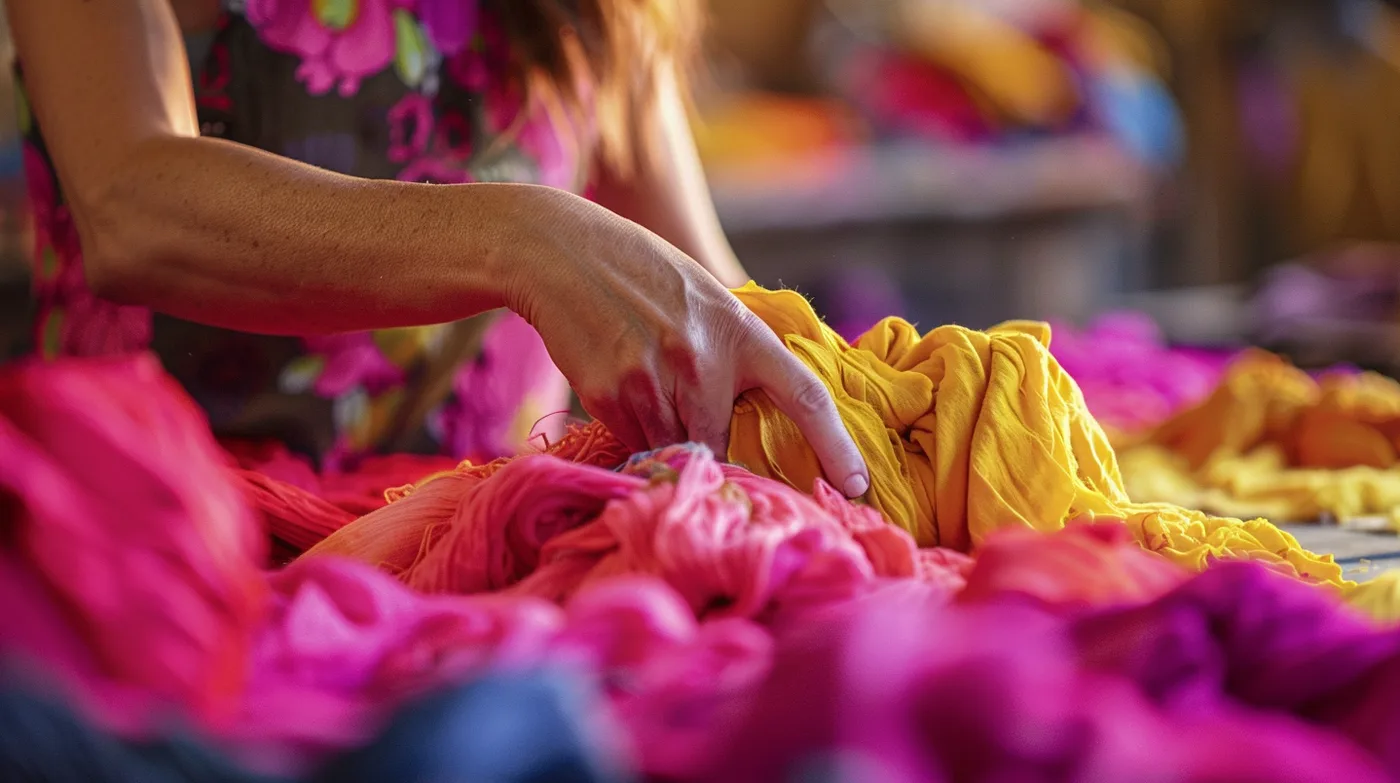
5. Eco-Friendly Dyeing Techniques
Color should be joyful, not a reason water sources pay the price.
Conventional dyeing processes are notorious for polluting water sources, but innovative techniques are emerging.
Brands are utilizing plant-based dyes, waterless dyeing technology, and bacterial pigments to create vibrant colors with minimal environmental impact.
These sustainable methods help protect water resources while maintaining fabric quality.
6. The Rise of Vegan Fashion
Cruelty-free fashion has moved way beyond a niche corner of the industry.
The demand for cruelty-free fashion is soaring, with more brands offering alternatives to animal-derived materials.
Plant-based leather, made from apple skins, pineapple leaves, and cactus, is providing stylish and ethical options.
Vegan fashion is not only about avoiding animal products but also ensuring ethical and sustainable production.
7. Digital Fashion & Virtual Fittings
This is tech doing something actually useful for the way we shop.
Technology is revolutionizing fashion shopping experiences.
Virtual fitting rooms and augmented reality (AR) tools allow consumers to try on clothing digitally, reducing unnecessary returns and shipping emissions.
Digital fashion—where consumers buy and wear virtual garments in online spaces—is also gaining momentum, minimizing material waste.
8. Ethical & Transparent Supply Chains
I’m always on the side of shoppers knowing what they’re actually buying.
Consumers are demanding greater transparency in fashion production.
Brands are now disclosing their sourcing, labor conditions, and environmental impact through blockchain technology and traceability initiatives.
Ethical supply chains ensure fair wages, safe working conditions, and environmentally responsible practices, helping consumers make informed decisions.
9. Regenerative Farming for Natural Fibers
Sustainability has to start before a garment ever hits the rack.
Sustainability efforts are extending beyond clothing production to fiber sourcing.
Regenerative farming practices for cotton, wool, and hemp are being adopted to restore soil health, increase biodiversity, and reduce water consumption.
These practices support sustainable fiber cultivation while reducing the fashion industry’s ecological footprint.
10. Tackling Textile Waste & Recycling Initiatives
The best fashion systems don’t just make clothes; they keep clothes in use.
The fashion industry is addressing textile waste through innovative recycling methods.
From clothing rental services to garment repair programs and second-hand marketplaces, there is a growing emphasis on keeping clothes in circulation.
Brands are also introducing take-back schemes where consumers can return worn-out clothes for recycling.
11. Technological Advancements in Sustainable Fashion
When technology cuts waste instead of creating more noise, I’m listening.
Fashion and technology are intersecting to drive sustainability.
AI-powered design tools help optimize fabric usage, 3D knitting reduces excess material waste, and digital printing minimizes dye pollution.
These advancements enhance efficiency while reducing the environmental impact of production.
12. The Expansion of the Second-Hand Market
Second-hand fashion isn’t a backup plan anymore.
The resale market is booming as consumers embrace pre-owned fashion.
Online platforms and physical thrift stores are making second-hand shopping more accessible, reducing demand for new production and lowering carbon emissions.
Buying and selling pre-loved clothing is becoming a mainstream sustainable practice.
13. Gender-Neutral & Inclusive Fashion
Sustainable fashion gets stronger when it includes more people, not fewer.
Sustainability is aligning with inclusivity, with brands designing gender-neutral and adaptive fashion pieces.
By creating versatile and multi-functional clothing, designers are reducing excessive production while ensuring fashion remains accessible to diverse body types and identities.
My Final Take
Here’s my take: sustainable fashion isn’t about perfection, and it definitely isn’t about making style feel harder.
The fashion industry is undergoing a transformative shift towards sustainability.
From innovative materials and ethical production to technological advancements and circular fashion initiatives, brands and consumers are working together to create a more responsible future for fashion.
As awareness grows, embracing these sustainable trends will help preserve the planet and foster a more ethical and thoughtful approach to fashion consumption.
By making conscious choices, we can contribute to a greener, more sustainable world—one stylish and responsible step at a time.